Engineering Governance · Capability Assurance
LAND · SEA · AIR · JOINT

Defence programs don't fail on the technology.

They fail when governance breaks down, integration fragments, and delivery confidence erodes. We go in and restore control.

"In Defence, delivery failure is rarely technical — it's structural."
20+ yrsDefence delivery
$133M+Programs directed
Level 6Engineering delegation
CEngChartered Engineer
All domainsLand · Sea · Air · Joint
The problems we solve

Complex programs fail in patterns, not in isolation

By the time leadership feels the symptoms, the structural causes are already advanced. These are the four we are brought in to fix.

Governance has eroded

Decisions made without clear technical authority, traceability or accountability. No one owns the engineering judgement.

Integration has fragmented

Commonwealth, primes and delivery partners are no longer pulling in one direction. Interfaces fall through the gaps.

Assurance can't be trusted

Assurance has become performative — records and evidence no longer hold together under independent scrutiny. Risk registers have become static repositories rather than instruments that drive treatment and inform decisions. Compliance activity continues, but assurance, in any meaningful sense, is no longer being delivered.

Confidence has collapsed

Executives can no longer get a straight answer on cost, schedule or capability. Every status report needs a translator.

The Program Integrity Method

One disciplined arc: from a two-week diagnostic to a multi-year role

Find the structural causes, stop the drift, and rebuild the system so the program keeps delivering after we leave.

Phase 01

Stabilise

Rapidly diagnose the real causes of drift. Stop the bleeding, establish control, and create a single trusted source of truth on cost, schedule, risk and technical state.

Phase 02

Restore

Rebuild engineering governance, configuration integrity and assurance. Re-align the Commonwealth, primes and partners around clear technical authority.

Phase 03

Sustain

Embed enduring frameworks, transition cleanly from acquisition into sustainment, and build your own people's capability so the fix holds.

How to work with us

Five ways to engage: from a fast read to a board seat

Each is independent and outcome-defined. Most clients start with a diagnostic and ascend as confidence builds.

Start

Program Drift Self-Assessment

A short, self-scored scorecard of the early warning signs that a program is structurally drifting.

Assessment tool
Tier 1

Program Integrity Diagnostic

A fixed-scope, 2–4 week independent review of governance, integration and assurance health — with findings and a recovery roadmap.

Fixed fee
Tier 2

Recovery Sprint

A 90-day stabilisation and governance-uplift engagement applying the Stabilise and Restore phases.

Fixed scope
Tier 3

Embedded Leadership

Fractional or retained Program Director / Engineering & Sustainment Governance Lead, embedded in your program.

Retainer
Tier 4

Board & Independent Assurance

Non-executive director, independent gate / assurance reviewer, and trusted advisor to executives and boards.

Advisory
Projects that shaped our practice

Australia's most complex programs, across every domain

CJC03 — Joint Tactical Data Link SustainmentDirected engineering & sustainment governance across LAND, SEA & AIR; grew delivery to 19 personnel managing a $52M annual budget; chaired engineering review boards.
SEA1770 — Rapid Environmental AssessmentTechnical / design authority for complex electronics & sensors; led from contract award to materiel release; Project FIC Assurance Lead.
SEA1397 Phase 5B — BAE SystemsLed bid and capture activities resulting in a $28M contract award.
Air Traffic Management — Thales AustraliaLed Defence & civil-military bids from $6M to $100M across the Asia-Pacific, including support to OneSky (AIR5431).
Collins Class submarines — ASCUrgent defect resolution for sonar cable redesign; through-life combat-system upgrade support.
ANZAC frigates & NZ OPV — TenixEngineering delivery on naval shipbuilding, including the $80M NZ Offshore Patrol Vessel; CMMI Level 3 contribution.
Credentials & authority
Level 6 ADF Land Technical Regulatory Framework delegation Chartered Engineer M. Systems Engineering — UNSW/ADFA M. Project Management — UNSW/ADFA Fellow & Certified Professional Manager, AIM Published — Engineers Australia Defence Industry Advisory Group
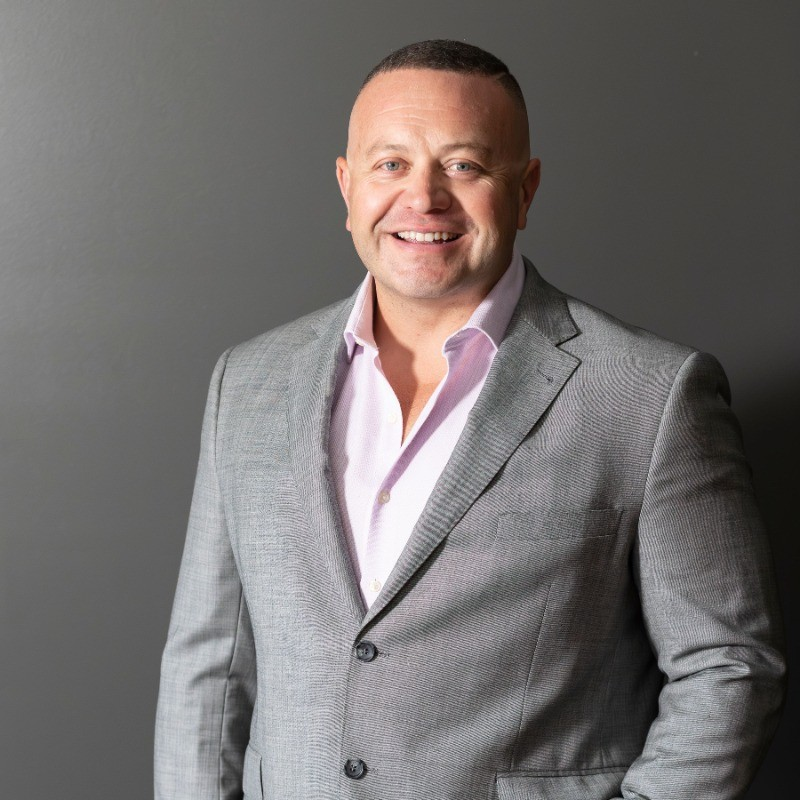
Christopher Lindemann
Stolt GroupSenior Defence Leadership

Senior Defence leadership when delivery needs to return to control

Stolt Group is led by senior Defence engineering leadership with over 20 years' experience delivering across complex programs — particularly where delivery begins to drift, governance breaks down, integration fragments, and confidence erodes across stakeholders. We specialise in identifying and correcting the structural causes of program drift — restoring governance, alignment, and delivery confidence.

The organisation combines deep systems engineering expertise, program and PMO leadership, and formal regulatory delegation authority — capabilities rarely integrated within a single organisation. We operate at Program Director level to stabilise programs, address the causes of drift, and restore controlled, reliable delivery.

Stolt Group is a Melbourne-based sovereign engineering and advisory practice supporting complex Defence programs across Australia.

Insights

Thinking on governance, recovery and Defence delivery

Practical articles drawn from 20+ years on Australia's most complex Defence programs — on the structural causes of drift, and what it takes to restore control.

Get in touch

Let's talk before the next gate review.

If a program is drifting, or you simply want an independent read before it does — the first conversation is direct and confidential.

Start with the Self-Assessment

Not ready for a conversation? Take the Program Drift Self-Assessment — a fast, self-scored read on whether your program is structurally on track.

Request the Assessment